

The Most Common Fears Children Have Before Camp – and How to Ease Them
The Most Common Fears Children Have Before Camp
For many children, going away to camp is their first major step toward independence — and it can bring a variety of fears and anxieties. Here are the most common ones:
Homesickness and Separation Anxiety
The biggest source of worry is often being away from loved ones. Children fear feeling lonely and not being able to cope without their parents or siblings.
Fear of New Surroundings and Unfamiliar People
An unfamiliar place, new faces, and the absence of daily routines can cause uncertainty and anxiety. Children worry about fitting in, adapting to a new environment, and making friends.
Concerns About Accommodation
Sharing a room with unfamiliar peers can be stressful. A lack of privacy and the need to adapt to others can make children feel uncomfortable.
Fear of Losing Control and Having to Manage Alone
Camp brings new responsibilities and situations where kids must make decisions and handle challenges without parental help — a daunting thought for many.
Uncertainty About Activities and Responsibilities
Children often wonder what the camp activities will be like, whether they’ll manage the new challenges, and if they’ll be expected to do things they won’t enjoy.
Worries About Health and Safety
Some children are anxious about getting sick or injured and whether they’ll be well cared for and safe while away from home.
How to Help Your Child Feel More Comfortable About Camp
Parental and caregiver support is essential in helping children feel more confident about their upcoming adventure. Here are some ways to ease their fears and foster a positive mindset:
Open Conversations and Honest Explanations
Talk openly with your child, explaining what they can expect at camp. Avoid downplaying or dismissing their feelings — instead, help them feel safe by answering questions and addressing concerns calmly and honestly.
Prepare by Describing What Awaits Them
Before departure, tell your child about the daily schedule, types of activities, and what the other campers might be like. Familiarity with what’s coming helps reduce fear of the unknown.
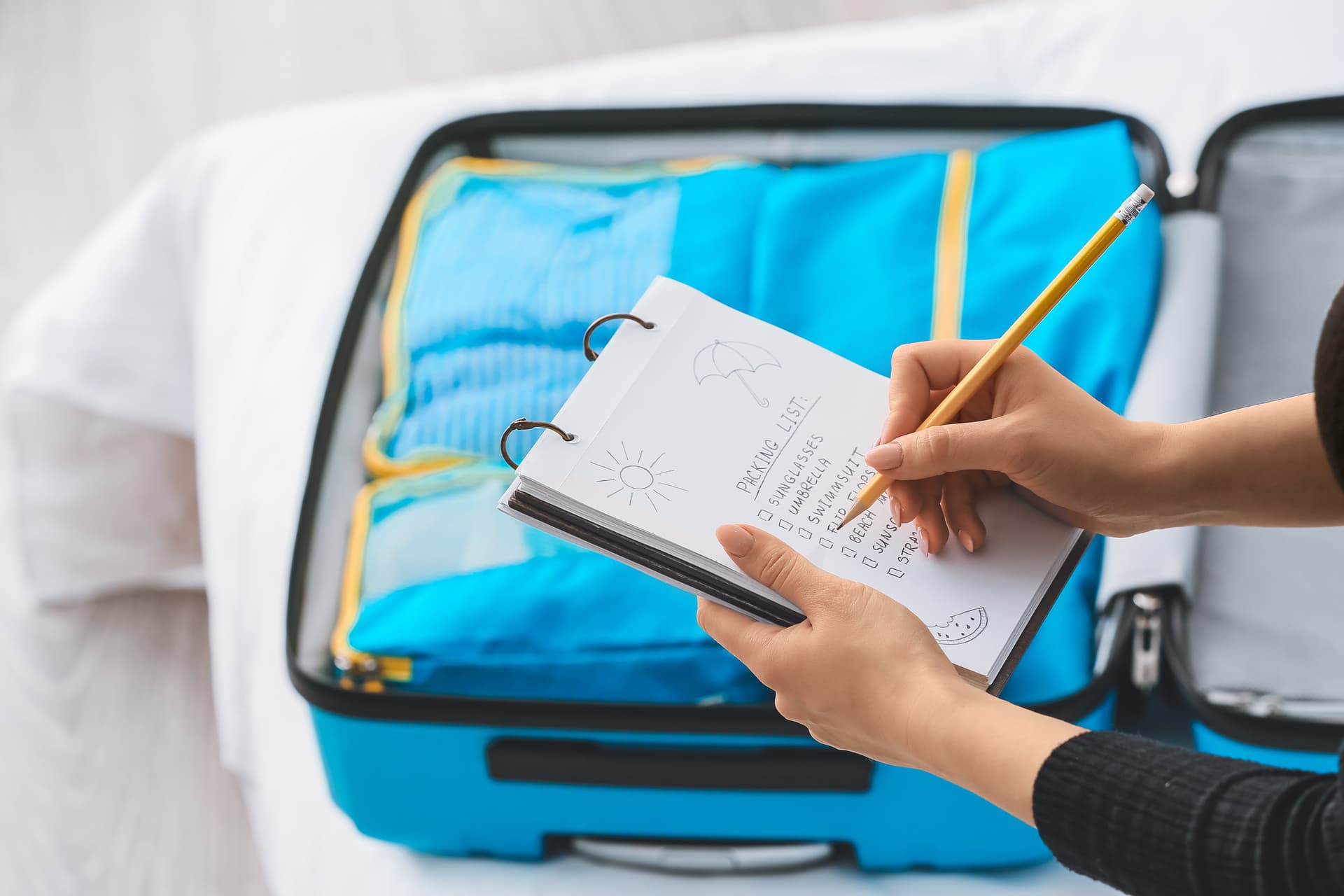
Pack Together
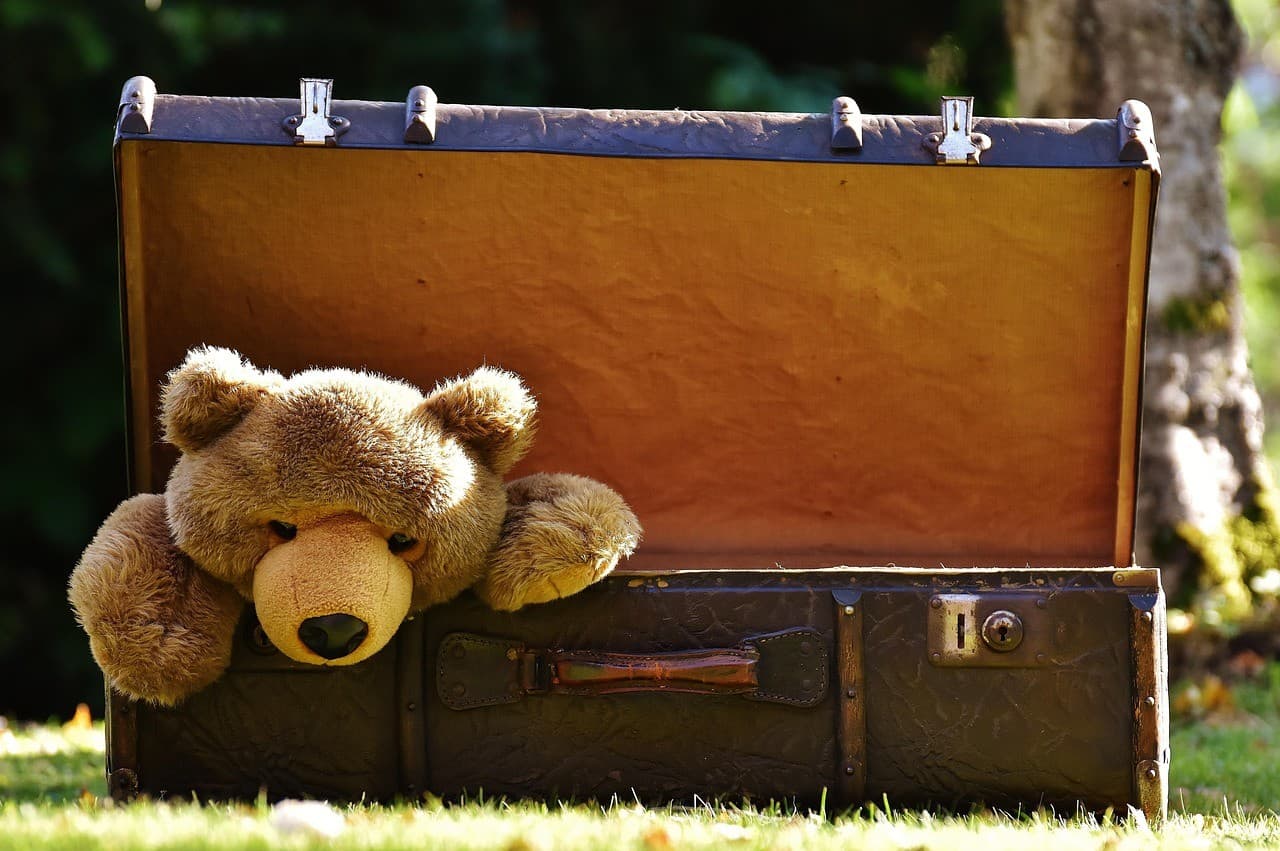
Involving your child in packing their bag helps them feel more in control and prepared. Let them bring a favorite toy or comfort item to create a sense of security while they’re away.
Teach Simple Emotional Coping Skills
Help your child learn basic relaxation techniques such as deep breathing or positive thinking. These can help them manage stress and navigate difficult moments during camp.
Stay in Touch — in Moderation
Agree in advance on how and when you’ll stay in contact — via phone or letters, for example. Too much communication can increase homesickness, so it’s important to strike the right balance.
Offer Support After the Camp Experience
When your child returns, make time to talk about their experiences. Praise their courage and independence — this will boost their self-confidence and create lasting, positive memories of the trip.
Practical Tips for Parents
Preparing your child for camp involves more than just packing a suitcase — it's also about supporting their emotional and physical well-being.
How to Prepare Your Child Mentally and Physically
Start talking about camp in advance, gently familiarizing them with the idea. Encourage questions and open discussions about their concerns. Promote a healthy routine — enough sleep, nutritious meals, and physical activity — to help them manage stress and face challenges with resilience.
What to Pack to Help Your Child Feel Comfortable
Let your child take a few items that give them a sense of comfort — a favorite stuffed animal, blanket, or family photo. Familiar objects can help ease homesickness and maintain a feeling of closeness.
How to Respond to Your Child’s Fears Without Dismissing Them
Don’t ignore or belittle your child’s worries. Listen with empathy and show understanding, even if the fears seem small or irrational. Let them know you're there for them and that together, you can work through any concerns.
See also:
- Classes and Activities at Camps – What Can a Child Gain?
- Making Friends at Camp: How Shared Experiences Bring People Together
- Camps and holidays – The best trips for children from the largest cities in Poland.
- How to Create a Close-Knit Class? Proven Ways to Build Bonds Within a Group
- How to Talk to Students About Their Holidays Without Excluding Anyone? A Guide for Teachers
Read also