

Camping with a child – A guide for beginner camping families
Planning the Trip
Planning a family camping trip is key to a successful and stress-free vacation. The first step is choosing the right location, one that meets the needs of both adults and children. A family-friendly campsite should offer a safe and clean environment with amenities like bathrooms with hot water, showers, and playgrounds or spaces for free play. It’s also important to consider the location—proximity to interesting attractions like lakes, forests, or bike paths can enhance the stay and provide additional opportunities for family hikes or games.
Another important aspect is choosing the optimal time for the trip. It’s best to plan the trip during a season with favorable weather, but not necessarily in the hottest months, which can be uncomfortable for small children. It’s also a good idea to consider the length of the stay—several days is usually enough to relax and enjoy nature, without tiring the youngest members of the group.
Finally, before you head out, it's a good idea to reserve a spot at the campsite and ensure that all necessary amenities are available. Checking whether the campsite has toilets, showers, and dishwashing areas will help avoid surprises and ensure comfort during the stay. Additionally, if you plan to use extra services like a bike rental or organized children's activities, it’s worth checking in advance to see if these are available.
What to Bring?
The right equipment and preparation are essential for a successful camping trip with a child. Thoughtful selection of gear will ensure comfort and safety for all family members.
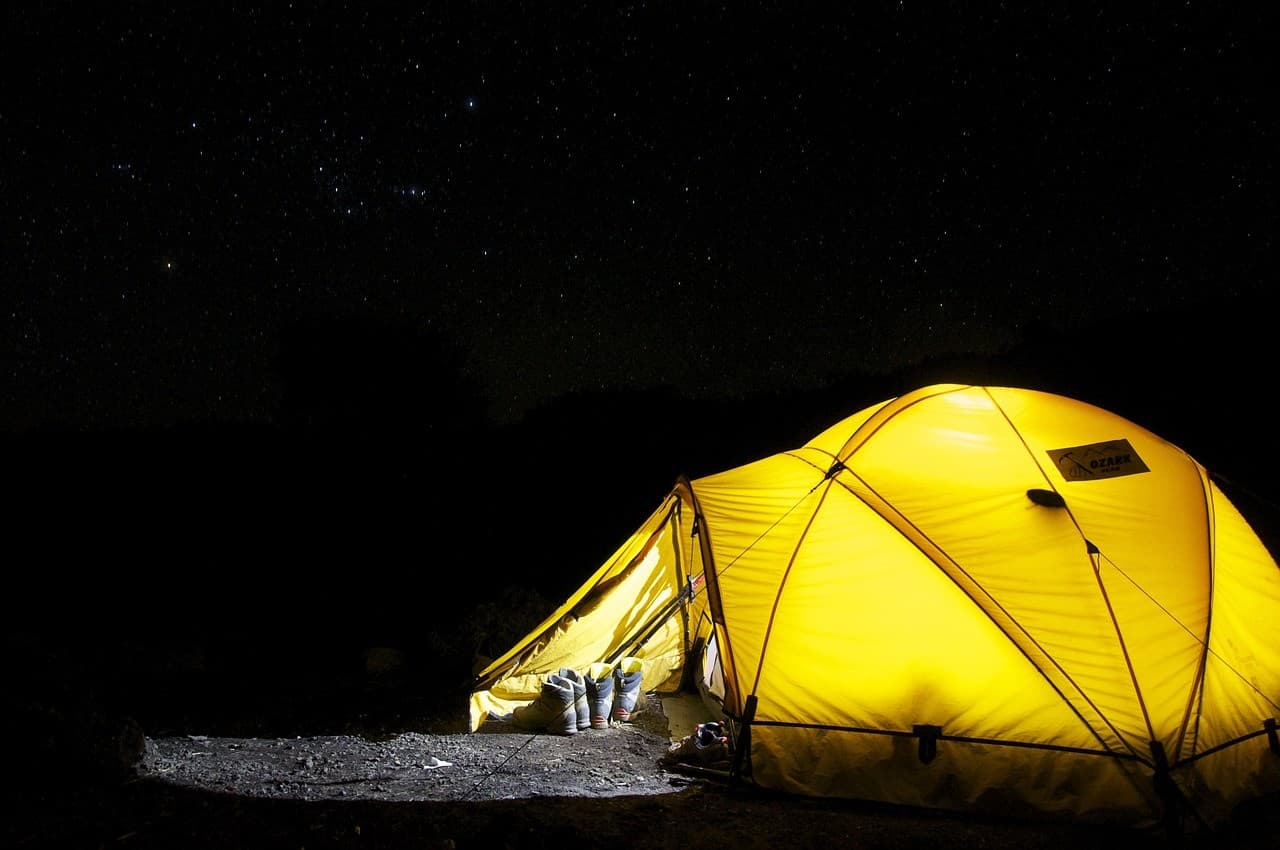
Tent – Choose a model suitable for the number of people and easy setup. The tent should be spacious enough to accommodate all family members and luggage. Waterproofing is crucial—check the fabric and seams to avoid worrying about rain. If possible, select a tent with a vestibule to store shoes and gear and provide additional wind protection.
Mattresses, Sleeping Bags, and Mats – Make sure your child has a comfortable sleeping area. An inflatable mattress or foam mat will protect against cold from the ground. The sleeping bag should be appropriate for the outside temperatures—too thin may not provide enough warmth, and too thick will be uncomfortable. Look for models that are easy to clean and quick-drying.
Clothing and Footwear – The weather on a camping trip can be unpredictable, so it's best to dress in layers. Layered clothing allows for quick adjustments to conditions, and quick-drying materials help maintain comfort. Don’t forget a rain jacket and comfortable footwear—preferably sandals or rubber boots that are easy to put on and take off.
Children's Accessories – Young travelers will appreciate having their favorite toys to pass the time and help them fall asleep, as well as a blanket for added comfort. A flashlight or nightlight can be invaluable during evening hygiene routines and campfires. Don't forget a first aid kit with basic bandages and medications suited to your child's needs.
Camping Kitchen and Food – When planning meals, choose simple and quick dishes to prepare. Bring basic utensils and equipment like a camping stove, pots, cutlery, and a water supply. Snacks that children love, such as fruit, granola bars, or yogurt, are great to have on hand during outdoor activities.
Safety on the Campsite
Child safety is essential for a successful trip. Make sure children don’t wander too far from the tent and establish simple rules with them, such as avoiding dark or unfamiliar areas.
Take precautions against insects and the sun—use child-safe repellents and sunscreen. A hat and lightweight clothing will offer additional protection.
Always have a first aid kit with basic supplies—bandages, disinfectants, and dressings—within reach. For minor injuries, clean and cover the wound quickly. For more serious issues, don't hesitate to seek help.
Organizing Time and Fun
Spending time outdoors is one of the greatest benefits of camping, especially for children. It’s worth planning simple but engaging activities that will help little ones have fun and discover the surrounding nature. Outdoor games like hide-and-seek, frisbee, or treasure hunts will provide lots of joy and physical activity. Walks in the forest or along the lake are also a great opportunity to show children interesting plants and animals. In the evening, a campfire is a must—it's a time for roasting sausages, telling stories, and singing songs.
The evening under the tent should be planned to ensure the children are entertained. Simple games, reading books, or drawing are good options. Another fun idea is putting together a puzzle or playing a board game, which integrates the whole family and creates a pleasant atmosphere.
Spending quality time without electronics is crucial—it helps build close relationships and allows children to focus on the world around them. Camping is the perfect time to put away phones and tablets, enjoy nature, and be close to family.
Practical Tips for the "Departure Day" and "Return Day"
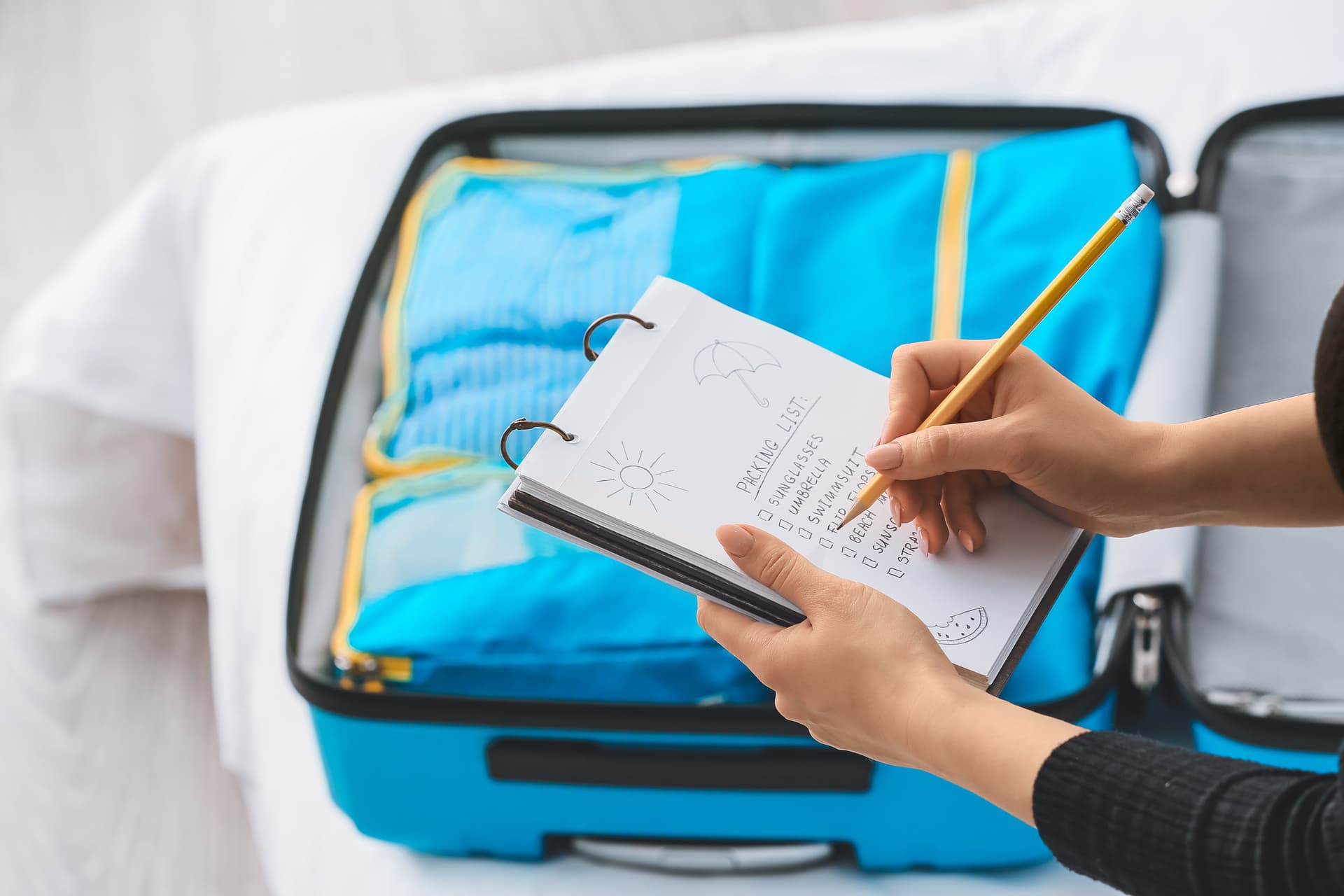
The departure day with a child can be challenging if it’s not planned properly. To avoid chaos, it's a good idea to start packing in advance and involve children in simple tasks, like preparing their own backpack with favorite toys or snacks. It’s helpful to have a checklist of essential items and check it regularly to ensure nothing is forgotten. When packing, organize things into separate bags or containers—clothes, kitchen accessories, and camping gear separately, to make it easier to access what you need quickly.
Before you leave, double-check your reservation, the weather, and the completeness of your gear. Make sure you have documents, a first aid kit, and everything necessary for your child. After returning, take the time to review your equipment, dry and clean the tent and clothes to avoid unpleasant odors or mold. This is also a good opportunity to evaluate what worked well during the trip and what might need to be changed for the next outing.
Common Challenges and How to Deal with Them
During family camping trips, there may be various difficulties that impact comfort. One of the most common challenges is unpredictable weather—rain or cooler nights can catch even experienced campers off guard. Always have rain gear and warm layers of clothing on hand, as well as a well-secured tent to protect against moisture.
Fatigue and whining from children are a natural part of any journey. To prevent this, plan your days with plenty of activities but without overexertion. Allow children time to rest, and create a calm and relaxing atmosphere in the evening—this could involve reading their favorite book or having warm tea.
Getting a good night’s sleep in a tent can be a challenge, especially for younger children. It’s a good idea to ensure comfortable mattresses and appropriate sleeping bags, as well as to get children used to sleeping in a tent before the trip, perhaps on a balcony or at home. Bringing along a favorite toy or blanket can help give the child a sense of security and make falling asleep easier.
See also:
- Traveling with a Child: Plane, Car, or Train – What to Choose and How to Prepare?
- Flying by Plane Step by Step – A Guide for Beginners
- Best Beaches for Families with Children on the Baltic Sea – 2025 Ranking
- Tatry - family holidays in the mountains
- Lakes in Masuria – The Best Spots for a Family Vacation with Children
- How does a day of a camp counselor look like?
Read also