

Holiday Health – How to Take Care of Children During Heatwaves and Travel
Sun Protection
Children's skin is much more delicate and sensitive to UV radiation than adults' skin, so proper sun protection is crucial for the health of our little ones.
Sunscreens with UV filters are a must. For children, it is best to choose products with a high SPF, at least SPF 30, and for the youngest ones, even SPF 50. The cream should be applied about 20-30 minutes before going out into the sun, and should be thoroughly applied to exposed parts of the body. It is important to reapply every 2-3 hours, as well as after swimming or heavy sweating.
Protection is not only about sunscreen. Protective clothing is another important element – light, breathable, and light-colored clothes help reflect sunlight and provide thermal comfort. Don’t forget about wide-brimmed hats that protect the face, neck, and ears, as well as sunglasses with UV filters that protect the delicate eyes of children from the harmful effects of radiation.
The highest intensity of sunlight occurs between 10:00 AM and 4:00 PM. During this time, it is advisable to avoid direct sun exposure, especially with younger children. If possible, plan activities for the mornings or late afternoons when the sun is less intense.
Also, remember the importance of shade – trees, umbrellas, or special beach tents provide a natural barrier against the sun and are excellent places to rest. This way, children can play without exposing their skin to the harmful effects of UV rays.
Remember, proper sun protection is an investment in your child’s health both now and in the future.
Hydration
During hot weather, proper hydration is crucial, especially for children who are more prone to rapid dehydration. Young children should drink water regularly, but in small amounts – it is best to offer them a drink every few minutes to allow their bodies to absorb it more effectively. It is recommended that children drink about 1.5 to 2 liters of fluids per day during hot days, although their needs may vary depending on activity levels and temperature.
It is important to learn how to recognize signs of dehydration in young children. The most common signs include dry, sticky saliva and mouth, reduced urine output (the child may have a dry diaper for a long time), lethargy, sleepiness, and irritability. If these symptoms are noticed, fluids should be increased immediately, and medical consultation may be necessary.
During hot weather, it is best to avoid giving children sugary, carbonated, energy drinks, or coffee, as they may contribute to dehydration and put additional strain on the body. The best option is clean, boiled, or mineral water, as well as light herbal teas.
Additionally, it’s good to include fresh fruits and vegetables with high water content, such as watermelon, cucumber, or melon. They are not only tasty and refreshing but also provide valuable vitamins and minerals, supporting hydration and the child's overall immunity.
Remember, regular drinking and a balanced diet are the best protection against the effects of heat.
Safe Travels with Children
Traveling with children during hot days requires special attention to ensure the comfort and safety of little ones. One of the most important aspects is taking regular breaks – every 1.5 to 2 hours, it’s good to stop for a short break, during which the child can stretch, move around, and drink water. This helps prevent fatigue, dehydration, and discomfort during the journey.
Before departure, make sure the car is prepared for high temperatures. A functional air conditioning system is essential, as it significantly improves travel comfort and prevents overheating. It is also worth investing in sunshades for the windows, which help reduce the heating of the car interior and protect the child’s delicate skin from direct sunlight.
During the journey, dress the child lightly and comfortably – preferably in cotton, light-colored clothes that allow for good air circulation and prevent overheating. Don’t forget to bring a head covering to protect from the sun during outdoor breaks.
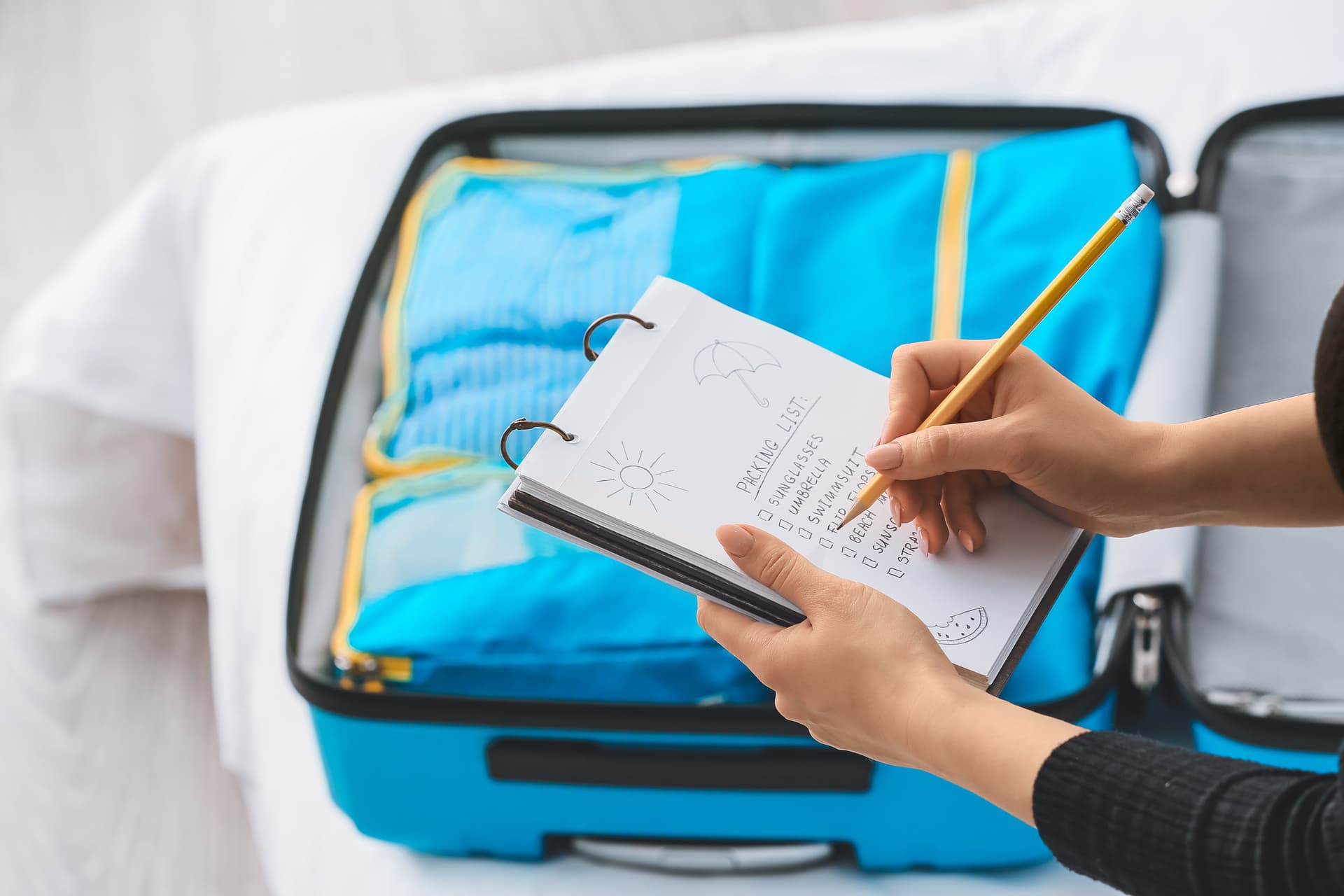
Always have essential items on hand that may be needed during the journey: a first aid kit with medicines and emergency supplies, extra water to drink, healthy snacks, and the child’s favorite toy or book to help calm them and keep them occupied during the drive. Such preparation will make the journey pleasant and safe for both the child and the parents.
Using Attractions on Hot Days
On hot days, it is important to plan outdoor activities in moderation to avoid overloading the child's body. Outdoor play should take place in the morning or late afternoon when the sun is less intense. During play, don’t forget to take regular breaks in the shade and to replenish fluids, which will help avoid overheating and dehydration.
When using water attractions, the most important thing is to ensure complete safety. Children should always be under constant adult supervision, and where necessary, equipped with appropriate life vests or other protective gear. Avoid playing in deep areas that may be dangerous, especially for younger children and those who cannot swim well.
Don't forget about protection from insects, which are particularly active in summer. It is a good idea to use insect repellents specifically designed for children, which are safe and effective. A mosquito net for strollers or cribs and suitable clothing can provide additional protection from bothersome bites and allergies.
By following these guidelines, summer activities will be not only full of joy but also safe and comfortable for the entire family.
See also:
Read also